

Why a hard week shows on your face
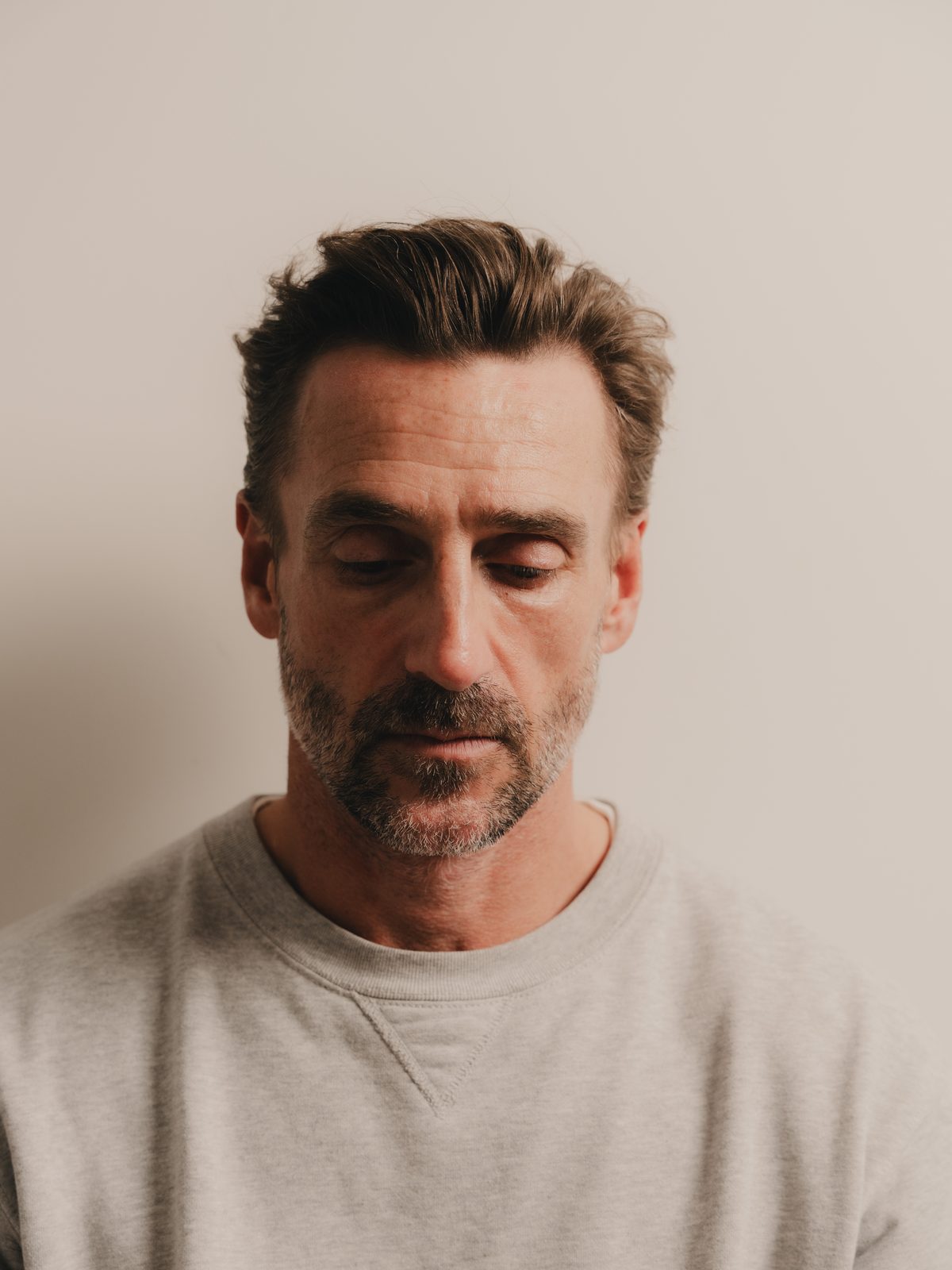
Stress and poor sleep have a way of becoming visible. The eyes look heavier. The skin appears duller. Lines that were barely noticeable on Friday can look considerably clearer by Monday morning. Your face may feel tight after washing, yet become shinier as the day continues.
None of this is simply your imagination. Psychological stress and restricted sleep can affect how the skin holds water, repairs its protective barrier and presents itself at the surface.
Understanding that process also explains why a consistent routine can help, even when it cannot give you the night's sleep you missed.
Stress is not only a feeling
When the brain perceives pressure, the body activates its stress response and releases hormones including cortisol.
That response prepares you to deal with an immediate demand. It changes energy use, immune activity and inflammation throughout the body. The skin is part of that system.
Research has found that psychological stress can delay the recovery of the skin barrier after disruption. In a controlled study of 85 healthy adults, a short-term laboratory stressor delayed barrier recovery by 10% at two hours after the skin was deliberately disrupted.1 Separately, clinical work has connected raised cortisol activity within the outer skin with poorer barrier function.2 Controlled work in healthy women found the same direction of travel,3 and the underlying mechanisms have been described in detail.4
The result is not necessarily an obvious skin problem. More often, it is a collection of smaller changes: less comfortable skin, greater water loss, rougher texture and a surface that looks less even.5
What happens to the skin barrier
The outermost layer of the skin is often compared with a brick wall.
The cells are the bricks. The lipids surrounding them form the mortar. Together, they slow the loss of water and help protect the living tissue beneath from the outside world.
A healthy barrier keeps more water in the skin. The surface remains smoother, more flexible and better able to recover from everyday demands.
When barrier recovery slows, water escapes more readily. Skin can feel tight after washing and become less comfortable as the day continues. Fine lines may look clearer because a dehydrated surface does not remain as full or smooth.
This helps explain why a stressful week can alter the way your skin feels, even when nothing in your routine has changed.
Why poor sleep changes the way your face looks
Sleep is one of the periods in which the body carries out repair and regulation. Reducing it affects far more than alertness the following morning.7
A controlled study of sleep restriction, in which 24 volunteers were limited to three hours a night for two consecutive nights, recorded measurable changes in skin parameters and in how the face was rated by others.6 That panel was made up of women, so read it as evidence of the mechanism rather than a measurement taken on men. The precise response differs from one person to another, but poor sleep can affect hydration, texture and the way the face is perceived.
A well-hydrated surface reflects light more evenly. When that surface becomes drier or rougher, light catches on the irregularities instead. The skin can appear less smooth, less even and less fresh.
Several modest changes are then read together as one larger impression: you look tired.
Why the eyes tend to show it first
The skin around the eyes is markedly thinner than the skin across most of the face. Changes beneath it are therefore easier to see.
After a short night, temporary fluid retention can make the area beneath the eye appear fuller. That added volume creates a more pronounced ridge, which casts a shadow below it.
At the same time, reduced hydration can make fine lines more visible. Changes in circulation and the visibility of the structures beneath thin skin can make dark circles look stronger.
None of these changes needs to be dramatic. A little more volume, a little more shadow and a slightly drier surface can make the entire face look considerably less rested.
This is why treating the eye area as an afterthought rarely makes sense. It is a small part of the face, but it carries a disproportionate amount of the visible evidence.
How skin can feel tight and still look oily
Oil and hydration are different things.
Sebum is the oil produced by the sebaceous glands. Hydration describes the water held within the outer layers of the skin. One does not guarantee the other.
A face can therefore be producing plenty of oil while still being short of water. The skin may feel tight after washing, then develop visible shine across the forehead, nose and cheeks later in the day.
Stress can add another variable. The hormonal response can influence both barrier function and oil production, creating a surface that feels less comfortable without necessarily looking dry.
This is why simply removing more oil is not always the answer. Excessively aggressive cleansing can leave the surface even less comfortable while doing little to address how effectively the skin holds water.
Why a difficult week can make lines look clearer
Not every line that becomes visible after a hard week represents a permanent structural change.
Some are dehydration lines. When the outer skin loses water, the surface becomes less full and flexible, making existing lines and irregularities easier to see.
Restoring hydration can soften their appearance relatively quickly. Supporting collagen and the deeper structure of the skin is a longer process and requires consistent use over weeks and months.8
The two should not be confused. Immediate hydration improves how the surface presents itself. Longer-term active ingredients support the structure beneath it.
A well-designed routine should be capable of doing both.
What good skincare can realistically do
Skincare cannot lower your workload, replace sleep or stop the body responding to pressure.
What it can do is support the systems that tend to suffer when life becomes more demanding.
- REPLENISH WATER IN THE OUTER SKIN Humectants draw water into the surface, which is the fastest of all the changes to notice. What you notice: skin that stops feeling tight shortly after washing.
- REDUCE THE RATE AT WHICH THAT WATER ESCAPES Holding water in is a separate mechanism from putting it there, and a routine that does one without the other leaves half the benefit unused.
- SUPPORT THE SKIN BARRIER AND MICROBIOME This is the system the stress research points at directly.5
- SMOOTH THE SURFACE SO IT REFLECTS LIGHT MORE EVENLY A great deal of what reads as "tired" is light catching on an uneven surface.
- HELP REGULATE EXCESS OIL Addressing oil and hydration together, rather than stripping the surface.
- ADDRESS VISIBLE PUFFINESS AND DARK CIRCLES The eye area carries most of the visible evidence, so it is worth treating separately.
- SUPPORT COLLAGEN AND SKIN STRUCTURE OVER TIME The slowest of the changes, and the one that rewards consistency most.
These are not separate cosmetic details. Together, they determine whether the face looks tired and depleted or fresher and better cared for.
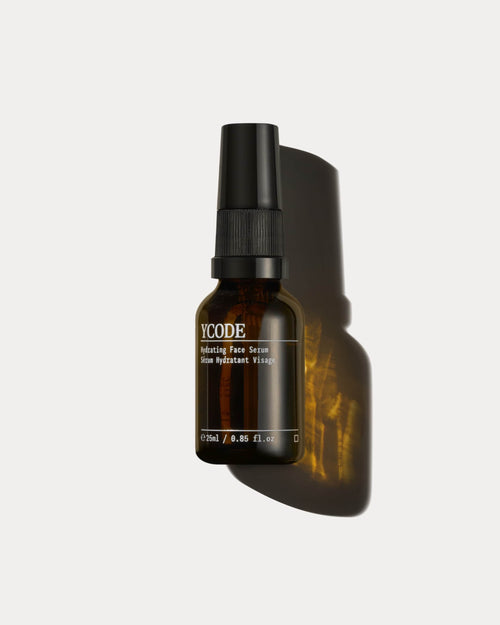
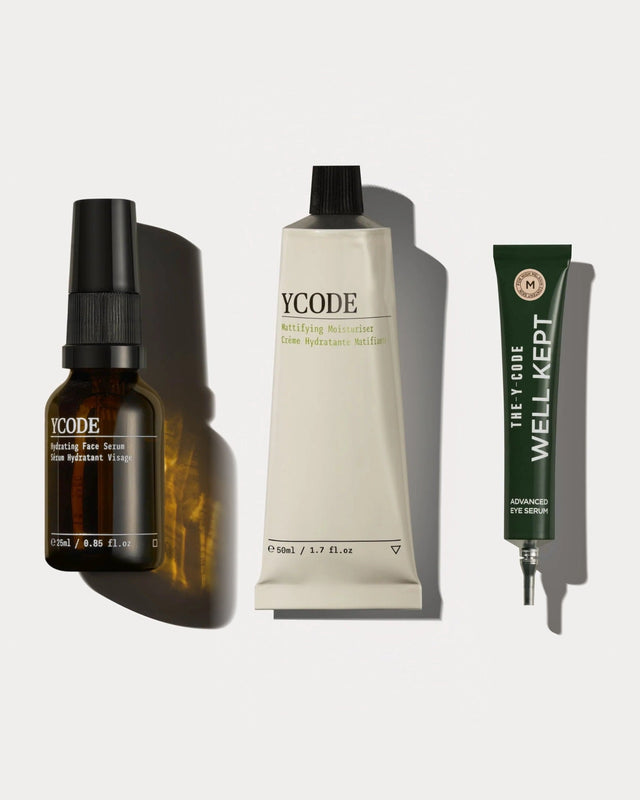
The role of the Hydrating Face Serum
The Hydrating Face Serum is the water-light first step.
Hyaluronic acid and glycerin increase hydration, helping the surface feel more comfortable and look smoother. Niacinamide supports the barrier while working across uneven tone, texture and excess oil.
Prebiotics support the microbiome, while a biomimetic peptide works on the evenness of the skin's own tone.
Its Chlorella microalgae active provides biologically intelligent support, responding to the condition of the skin with a blend of vitamins, minerals and peptides. That adaptability is particularly relevant when the demands placed on the skin are changing from one day to the next.
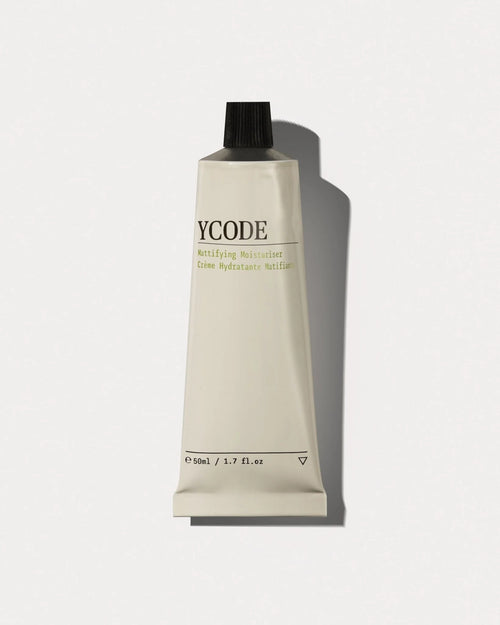
The role of the Mattifying Moisturiser
The Mattifying Moisturiser follows by helping the skin retain the hydration it has been given.
Its barrier-supporting formula slows water loss and keeps the surface comfortable for longer. Rice starch controls the visible shine already present, while Chlorella supports the longer-term work of regulating excess oil.
Hyaluronic acid and prebiotics add further support for hydration and the barrier, and a collagen-supporting peptide begins the longer work of supporting skin structure.
The aim is not to remove every trace of reflection from the face. Healthy skin reflects some light. The objective is a controlled, even finish that still looks natural, while the condition of the skin continues to improve underneath.
The role of the Advanced Eye Serum
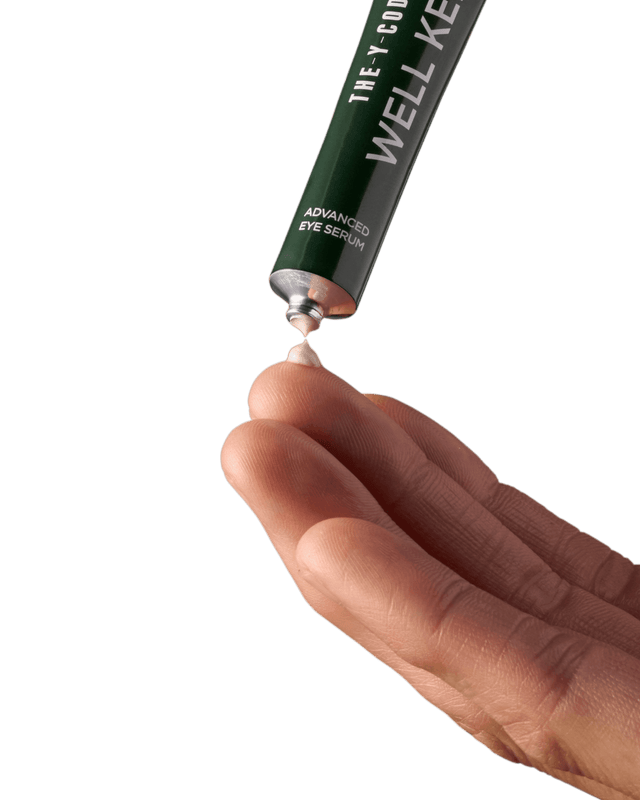
The Advanced Eye Serum concentrates its work on the thinner skin around the eyes.
Its actives address dark circles, puffiness, fine lines, hydration and smoothness.
Figures from a supplier study of the active ingredient the serum is built on, not a consumer trial of the finished product. Eurofins Dermscan self-assessment, 111 volunteers, 37 male and 74 female, mean age 42, measured at 15 days.
The value of those changes reaches beyond the eye area. Fresher-looking eyes can make the whole face appear healthier and more rested.
What to look for after a difficult week
Assess your skin in natural light rather than directly beneath a bathroom downlight.
Look for:
- SHADOW AND FULLNESS Darker shadows or greater fullness beneath the eyes.
- DEHYDRATION LINES Lines appearing clearer across the forehead and cheeks.
- TEXTURE A rougher or less even-looking surface.
- SHINE More visible shine later in the day.
- TIGHTNESS Skin that feels tight shortly after washing.
- THE OVERALL IMPRESSION A face that looks less rested even when no single feature has changed dramatically.
Then look again after several nights of consistent sleep and skincare. The contrast is often easier to recognise when you know which details to examine.
A photograph can help. You see your face every day, so gradual improvements are easily absorbed into your memory. Two pictures taken in the same position and light preserve the difference.
Why consistency matters most during inconsistent weeks
It is easy to maintain a routine when everything else is running well. The greater value appears when it is not.
Travel, deadlines, late nights and changes in weather all alter the demands placed on the skin. A short, repeatable routine gives it consistent support while everything around it changes.
That is the point of two minutes morning and night. It is not an attempt to turn skincare into another obligation. It is enough time to support hydration, the barrier, excess oil, the eye area and the longer-term structure of the skin without asking much from the rest of the day.
A difficult week may still show on your face. It does not have to remain there.
Frequently asked questions
Can stress make you look older?
Why do I look older after a bad night's sleep?
Can lost sleep cause dark circles?
Why does my skin become oily when I am stressed?
Will drinking more water fix dehydrated skin?
Is morning or evening skincare more important?
How quickly can tired-looking skin improve?
Can skincare compensate for poor sleep?
- Robles TF. Stress, social support, and delayed skin barrier recovery. Psychosomatic Medicine. 2007;69(8):807-815. Source
- Choe SJ, Kim D, Kim EJ, Ahn JS, et al. Psychological Stress Deteriorates Skin Barrier Function by Activating 11β-Hydroxysteroid Dehydrogenase 1 and the HPA Axis. Scientific Reports. 2018;8(1):6334. Source
- Altemus M, Rao B, Dhabhar FS, Ding W, et al. Stress-induced changes in skin barrier function in healthy women. Journal of Investigative Dermatology. 2001;117(2):309-317. Source
- Choi EH, Brown BE, Crumrine D, Chang S, et al. Mechanisms by which psychologic stress alters cutaneous permeability barrier homeostasis and stratum corneum integrity. Journal of Investigative Dermatology. 2005;124(3):587-595. Source
- Maarouf M, Maarouf CL, Yosipovitch G, Shi VY. The impact of stress on epidermal barrier function: an evidence-based review. British Journal of Dermatology. 2019;181(6):1129-1137. Source
- Léger D, Gauriau C, Etzi C, Ralambondrainy S, et al. "You look sleepy…" The impact of sleep restriction on skin parameters and facial appearance of 24 women. Sleep Medicine. 2022;89:97-103. Source
- Xerfan EMS, Andersen ML, Facina AS, Tufik S, et al. Sleep loss and the skin: Possible effects of this stressful state on cutaneous regeneration during nocturnal dermatological treatment and related pathways. Dermatologic Therapy. 2022;35(2):e15226. Source
- Pujos M, Chamayou-Robert C, Parat M, Bonnet M, et al. Impact of Chronic Moderate Psychological Stress on Skin Aging: Exploratory Clinical Study and Cellular Functioning. Journal of Cosmetic Dermatology. 2025;24(1):e16634. Source

I started YCODE because most skincare was never designed for men’s skin. What I write here is what the formulators taught me, and what the trials actually found.
Continue reading
VIEW ALL →
Your skin can notice the change of season before you reach for a coat....
Three formulas focus on the major concerns men tend to see across the face...
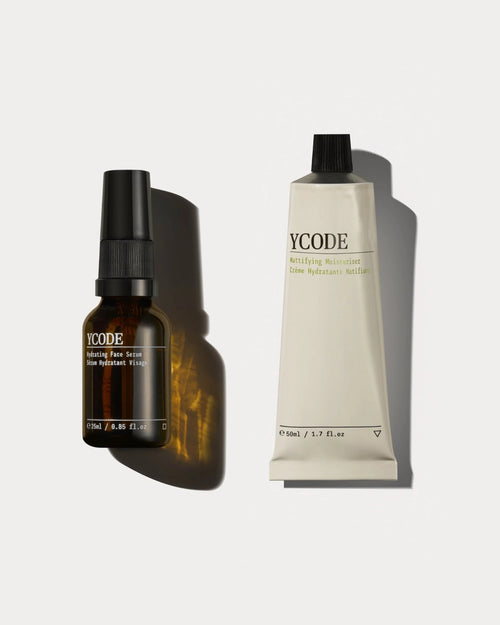
The Daily Essentials improves the face and neck. Advanced Eye Serum adds concentrated support...