

Chlorella Vulgaris in Skincare: What It Does, and Why the Source Matters
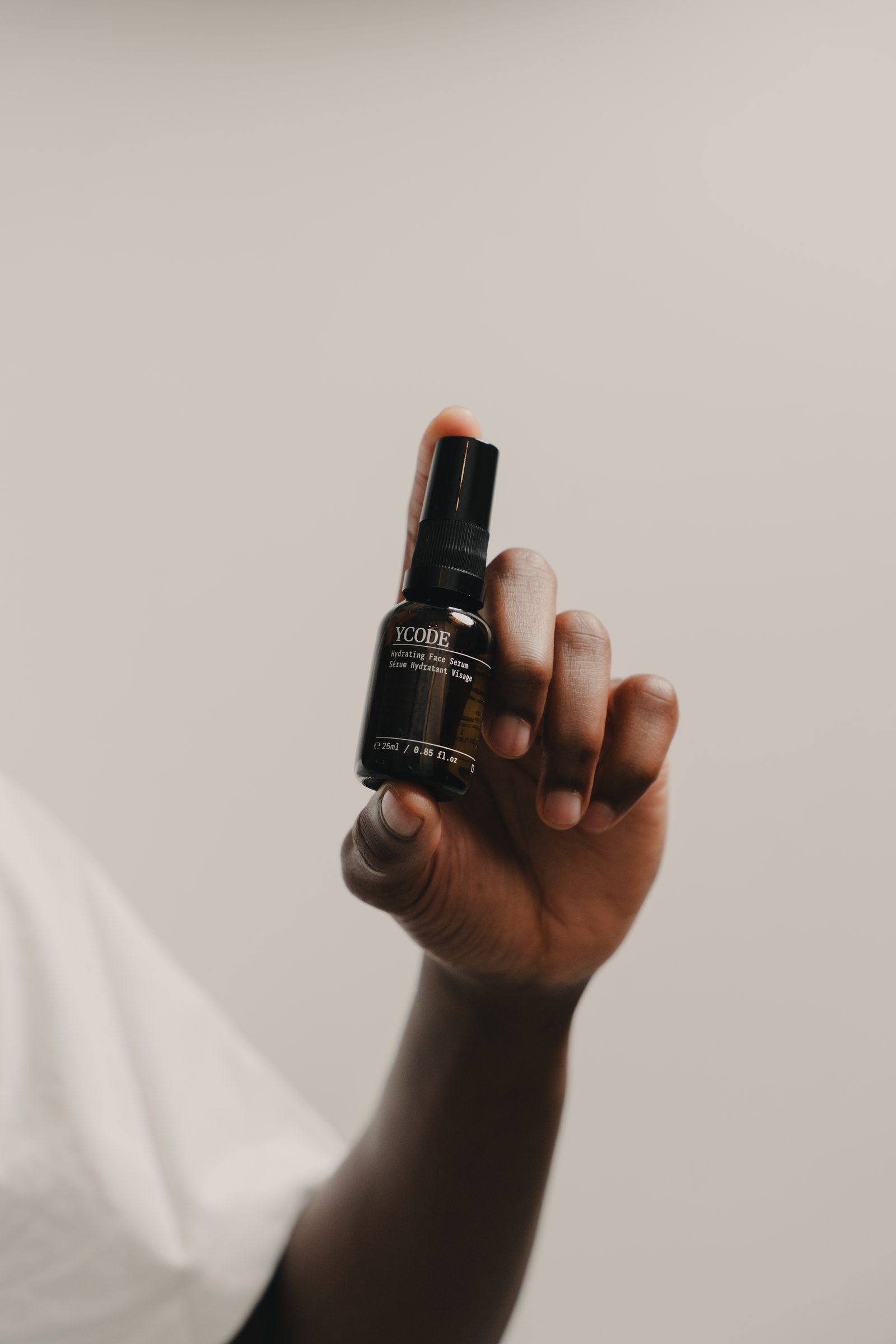
Chlorella vulgaris is one of the most capable ingredients in modern skincare, a single-celled green alga that behaves less like a moisturiser and more like a small piece of biology working on your behalf. It hydrates, defends against oxidative stress, supports the barrier and helps skin renew itself. What most brands never mention is the part that decides whether any of that reaches your face intact: where the algae comes from, and how it is grown.
What is Chlorella vulgaris?
Chlorella vulgaris is a freshwater green microalga, one of the oldest and most studied organisms on Earth. It has spent more than two billion years evolving under pressure, and it lasted that long by learning to read its environment and respond to it. That resilience is written into its chemistry: a single cell packed with peptides, amino acids, antioxidants, vitamins and complex sugars 1. In skincare terms it is a dense, active raw material rather than a passive filler, and its adaptive behaviour does not switch off once it is extracted.
What Chlorella vulgaris does for skin
The research points in several useful directions at once. Microalgae bioactives, Chlorella among them, help maintain the skin's redox balance and reduce oxidative stress, one of the main drivers of visible ageing 1. Chlorella vulgaris extract has been shown to protect skin cells against oxidative damage from hydrogen peroxide, a standard model of environmental stress 2. Its carbohydrate fraction supports hydration and the barrier, and marine-derived carbohydrates more broadly carry antioxidant and anti-ageing credentials that are already well used in cosmetic formulation 3.
Our specific extract goes further than antioxidant defence. It works with the skin's own biology, driving renewal through the skin's growth-factor signalling, feeding and rebalancing the microbiome, and calming rather than stripping. In the ingredient maker's own in-vivo testing it improved radiance by 51% on mature skin, with further measured reductions in redness, sebum and blemishes 4. Those are small-panel ingredient studies, presented as exactly that, not as our own consumer trial. But they are the reason we build on Chlorella rather than chase a single hero molecule.
Not all Chlorella is equal
Chlorella vulgaris is a species, not a single material. Strains differ in cell-wall structure, active content and how they behave once processed, which is why the source matters as much as the name on the label. We select one strain, chosen for its rare cell-wall structure and for how it senses and responds to stress, and we hold it to a fixed active concentration so every batch performs the same way. An ingredient this capable is only as good as the version you actually put on your skin.
Grown, not harvested
Most marine skincare starts in the sea. Ours is grown in labs in Iceland and Barcelona, and that is deliberate. Wild-harvested marine ingredients can carry whatever the ocean carried, heavy metals, pesticides, microplastics. Ours cannot, because it never touches the ocean. The strain is grown in closed photobioreactors on a clean, defined feed, then cold-pressed and stabilised. The result is a marine active that is vegan and certified by the Vegan Society, COSMOS and NATRUE approved, free of heavy metals and pesticides, and tested as non-cytotoxic, non-irritating and non-sensitising 4.
Marine power, without the marine baggage. The same biology that protects marine life, cold-pressed and stabilised, then calibrated for your skin.
How YCODE uses Chlorella vulgaris
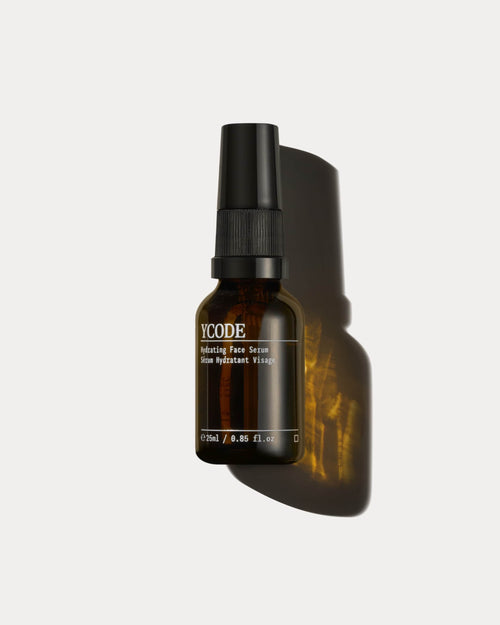
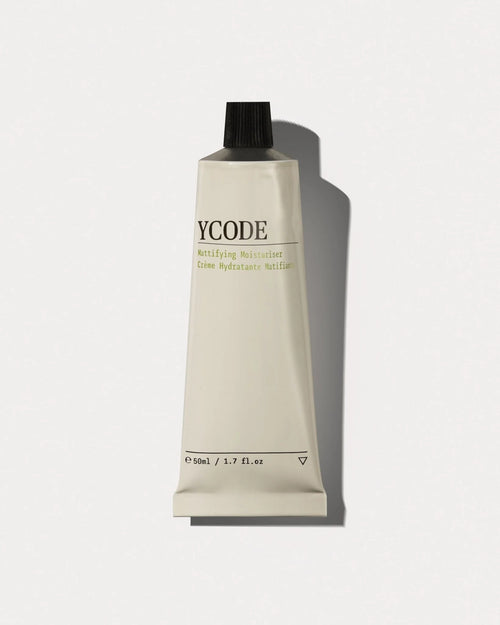
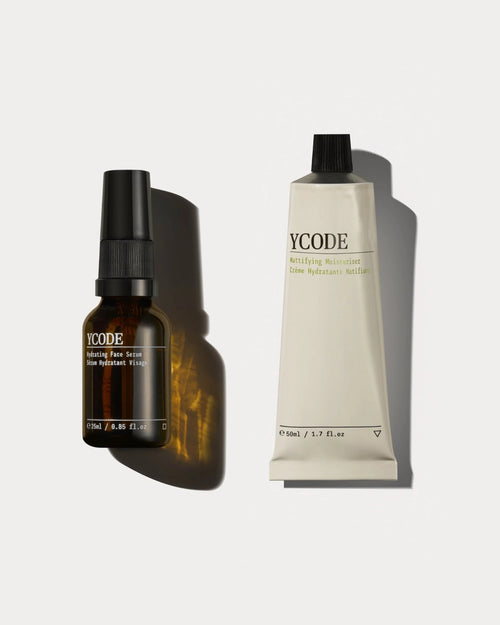
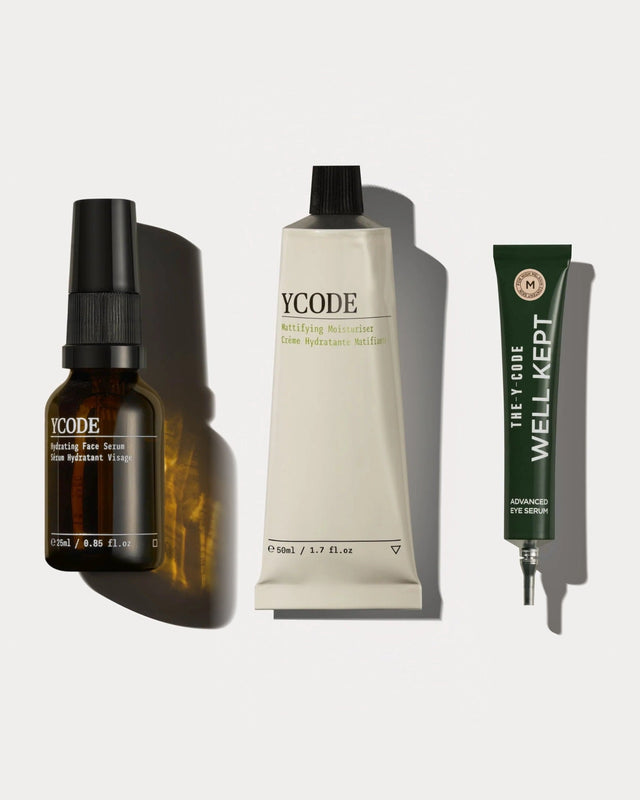
Chlorella vulgaris sits at the heart of our Hydrating Face Serum and Mattifying Moisturiser, the two steps that do the daily work on the face. The serum floods the skin with adaptive hydration; the moisturiser rebalances oil and refines the look of pores rather than stripping. It is the biology we mean by From Sea to Cell™, and we choose it because men's skin, thicker and oilier, responds well to an active that calms and balances rather than forces.
YCODE Regime, independent consumer trial, 50 men, four weeks.
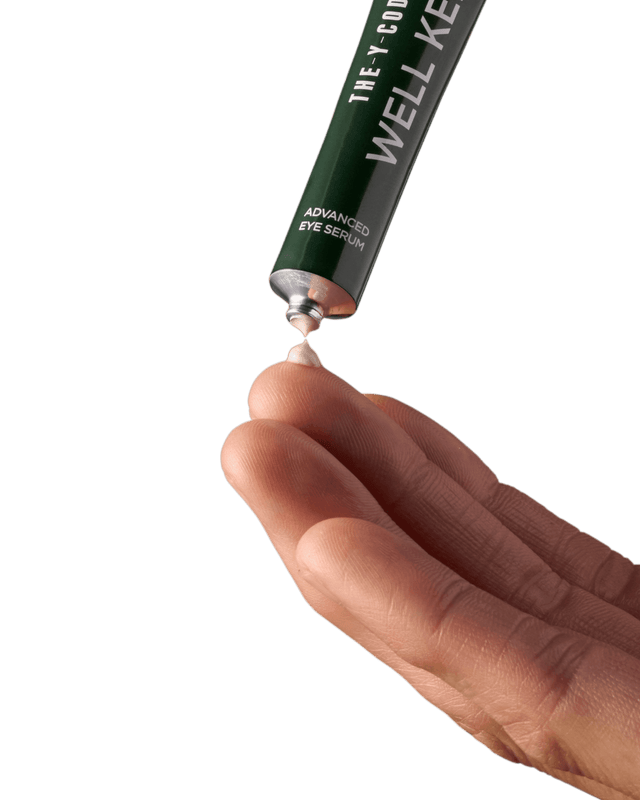
None of this is only about ingredients. It is about the quiet difference a good routine makes when you catch your reflection and nothing pulls your eye. Looking well and feeling well travel together, and an ingredient you can trust, cleanly grown and carefully chosen, is one less thing to think about in the morning. If you want the whole routine in one step, the YCODE Core Trio brings the eye serum, face serum and moisturiser together, and our two-minute skin quiz will point you to the right starting product. For how marine actives compare with retinol, vitamin C and peptides, read our guide to marine versus traditional anti-ageing ingredients.
Is Chlorella vulgaris good for skin?
Is microalgae skincare clean and safe?
Is Chlorella vulgaris extract vegan?
Does Chlorella help oily skin?
Is Chlorella the same as spirulina or seaweed?
Shop the Story
- Microalgae: revolutionizing skin repair and enhancement. Journal of Dermatologic Science and Cosmetic Technology, 2025. Source
- Extracts from Chlorella vulgaris Protect Mesenchymal Stromal Cells from Oxidative Stress Induced by Hydrogen Peroxide. 2023. Source
- Kim JH, Lee JE, Kim KH, Kang NJ. Beneficial Effects of Marine Algae-Derived Carbohydrates for Skin Health. Marine Drugs. 2018;16(11):459. Source
- Marine microalgae active (Chlorella vulgaris extract): in-vivo, double-blind, placebo-controlled efficacy and safety data. Ingredient manufacturer technical data, on file.

I started YCODE because most skincare was never designed for men’s skin. What I write here is what the formulators taught me, and what the trials actually found.
Continue reading
VIEW ALL →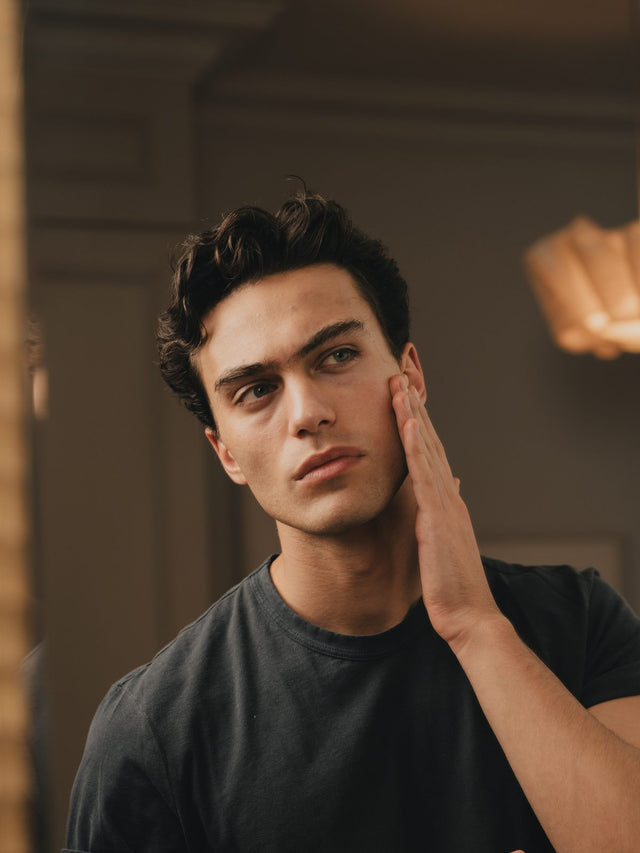
Your skin can notice the change of season before you reach for a coat....
Three formulas focus on the major concerns men tend to see across the face...
The Daily Essentials improves the face and neck. Advanced Eye Serum adds concentrated support...












































































