

Why some skincare smells of the sea, and what that actually tells you
A marine note in skincare is information. Sometimes it means the formula is honest and fragrance-free. Sometimes it means the actives have oxidised. Here is how to tell the difference, and what it says about how a marine ingredient was made.
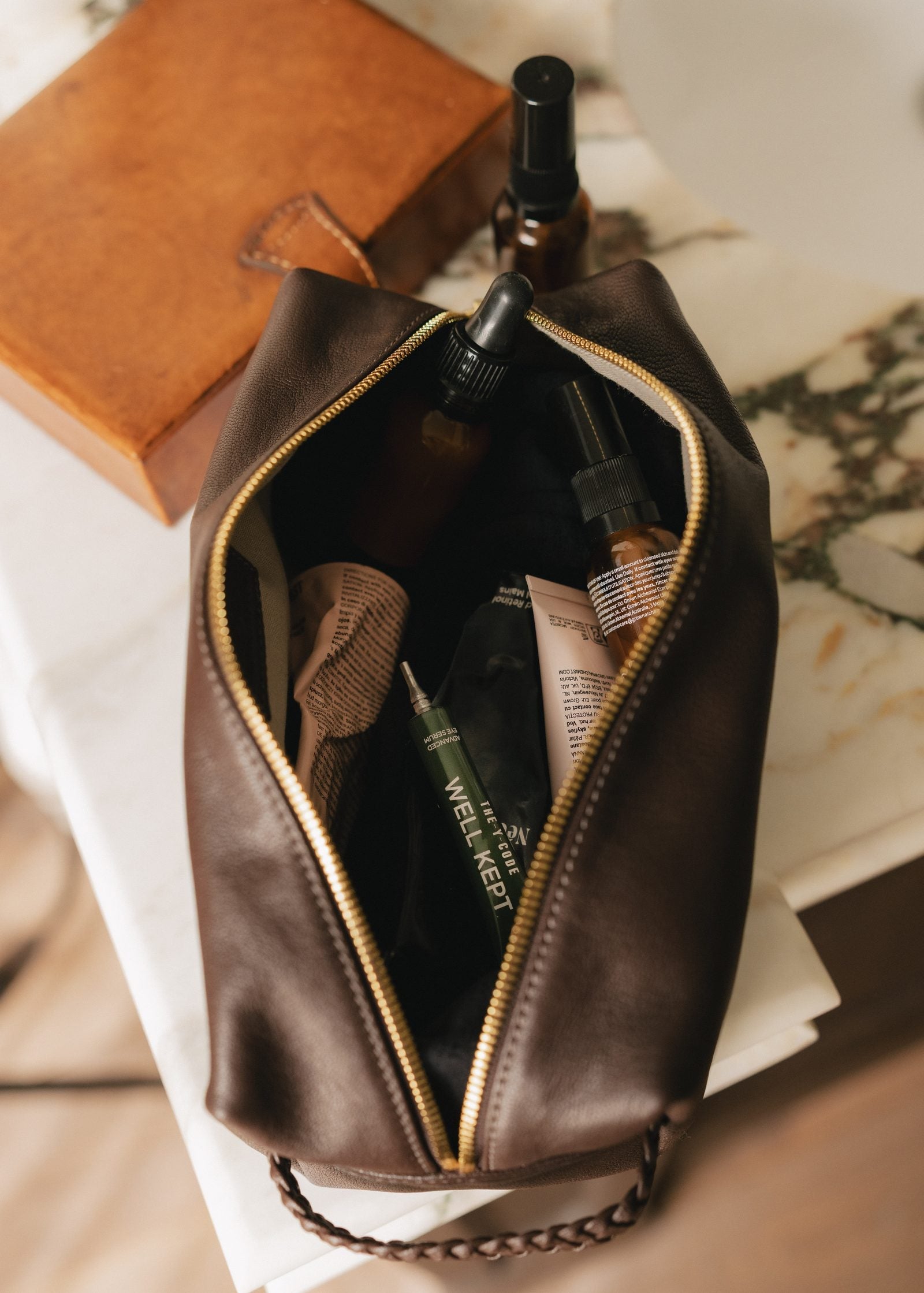
You open something new, put it on, and catch a faint smell of the sea. Not perfume, not alcohol. Something closer to a harbour at low tide. It is a common enough experience with marine skincare that people search for it constantly, and almost nobody has written an honest answer. So here is one, including the part most brands would rather not say out loud.
A fishy smell in skincare is information. Sometimes it tells you the formula is doing exactly what it should. More often it tells you something about how the ingredient was made, stored or stabilised. Knowing which is which is genuinely useful, because it is one of the few things you can assess yourself, without a lab.
Where the smell actually comes from
Three things account for almost all of it.
The first is the raw material. Marine ingredients pulled from the ocean, particularly seaweeds and some fish-derived collagens, carry compounds from the water they grew in. The one responsible for the classic seaside note is trimethylamine, the same compound that makes fish smell like fish as it ages. Wild-harvested marine material tends to bring some of that with it.
The second is oxidation. Marine oils are rich in unsaturated fatty acids, which is a large part of why they are good for skin, and also why they are unstable. Exposed to heat, light or air over time, those fatty acids break down, and one of the things they produce on the way is that same marine note. A product that smelled clean in the shop and smells of low tide four months later has usually oxidised.
The third is simply an absence of fragrance. Most skincare smells of perfume rather than of itself. Take the fragrance away, which is the right call for men's skin and for anyone with a reactive barrier, and you are left smelling the actual ingredients. Some of them smell earthy, green or faintly marine. That is not a fault. It is the product with nothing over the top of it.
When the smell is a problem, and when it is not
The useful distinction is whether the smell arrived with the product or turned up later.
A mild green or mineral note from the first use, consistent every time you open it, is normal in a fragrance-free marine formula. It is the raw material being honest.
A smell that grows stronger over weeks, or that arrives alongside a change in colour or texture, is different. That is the formula degrading, and a degraded product is not just unpleasant, it is weaker. Oxidised actives do less than fresh ones. If a serum has thickened, darkened or turned sharper in smell, it has passed its useful life regardless of the date on the box.
A strong fishy smell on day one, in something expensive, tells you the marine material was not especially well purified or well stabilised.
The question is not whether a marine ingredient can smell. It is whether the brand did the work to make sure it does not.
Why ours does not smell of the sea
Our microalgae never touches the ocean, which removes the problem at its source rather than covering it.
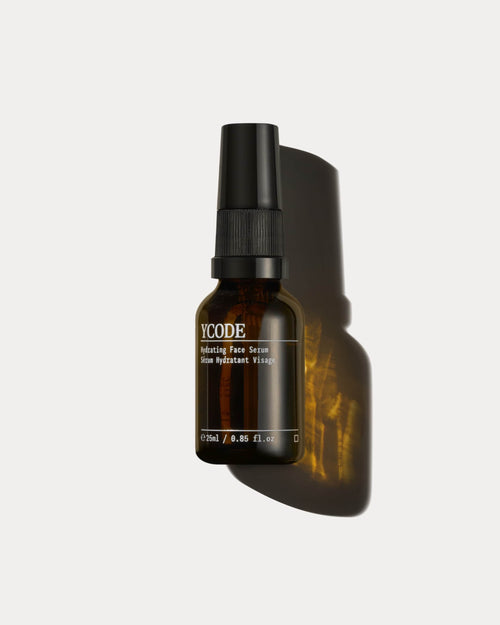
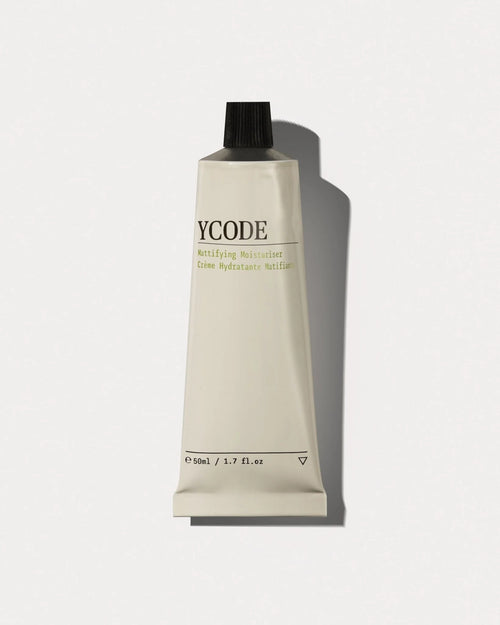
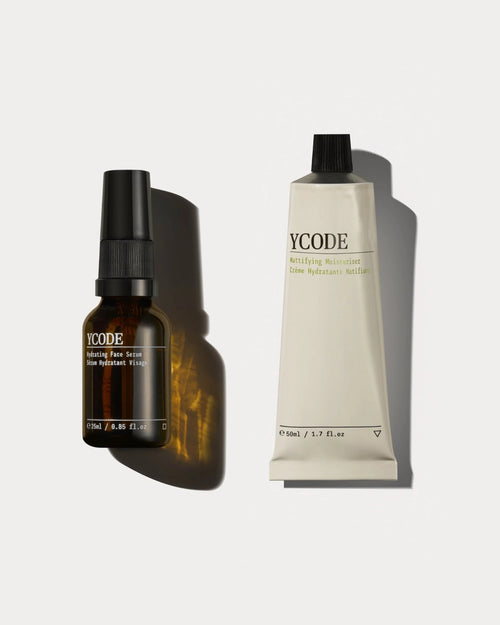
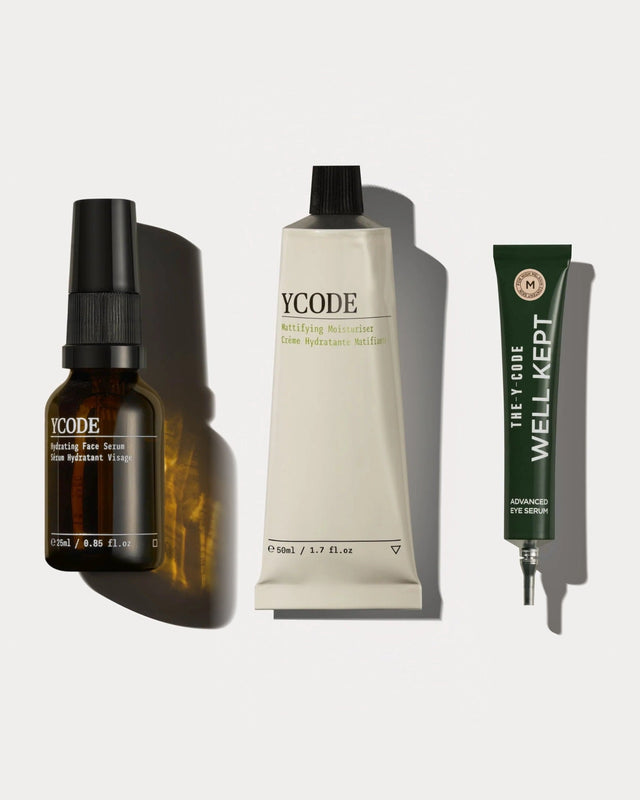
The Chlorella vulgaris in our Hydrating Face Serum and Mattifying Moisturiser is grown in closed photobioreactors in Iceland and Barcelona, on a clean, defined feed, then cold-pressed and stabilised. Growing it rather than harvesting it is usually discussed as a purity decision, and it is: material grown in a closed system cannot carry heavy metals, pesticides or microplastics from open water. But it is also a sensory decision. The compounds behind the seaside note largely come from the marine environment itself and from what happens to material after it is cut. Neither applies to something grown under controlled conditions and stabilised immediately.
Every formula we make is fragrance-free, so there is nothing masking anything. What you smell is the formula, and what the formula smells of is very little.
How to tell whether yours has turned
Four checks, in the order worth doing them.
Compare it with your memory of the first use. A product that smells noticeably different from how it smelled when you opened it has changed, and not for the better.
Look at the colour. Marine and vitamin-rich formulas often deepen as they oxidise. A serum that has gone from pale to amber has aged.
Feel the texture. Thickening, separation or tackiness that was not there before all point the same way.
Check where you keep it. A sunny windowsill or a shelf directly above a radiator will age a formula faster than the date on the carton suggests. Marine actives in particular prefer somewhere cool, dark and closed. A bathroom cabinet is fine. The ledge above the basin, in direct light, is not.
What this says about buying marine skincare
Marine actives are worth the trouble. Microalgae have spent billions of years adapting to changing conditions, and that adaptive chemistry is precisely why we build on them. But the category has a wide quality range, and smell is one of the few honest signals available to you at home.
The questions worth asking are simple. Is the marine material grown or harvested. Is it stabilised, and how. Is the product fragrance-free, or is a fragrance covering something. A brand that has done the work will answer all three without hesitating.
None of this is really about smell, of course. It is about whether what you put on your face every morning is what you think it is. Get that right and it stops being something you have to think about at all, which is the entire point of a two-minute routine. If you want to start somewhere, our two-minute skin analysis points you at the right product for your skin, and our guide to Chlorella vulgaris covers how the strain is grown and why the source decides everything.
Why does my skincare smell fishy?
Is it safe to use skincare that smells fishy?
Do all marine skincare products smell of the sea?
How should I store marine skincare?

I started YCODE because most skincare was never designed for men’s skin. What I write here is what the formulators taught me, and what the trials actually found.
Continue reading
VIEW ALL →
Your skin can notice the change of season before you reach for a coat....
Three formulas focus on the major concerns men tend to see across the face...
The Daily Essentials improves the face and neck. Advanced Eye Serum adds concentrated support...