

Why Your Face Can Look Tired Before You Feel It
Tiredness is not one line, shadow or colour. It is a pattern the eye recognises across the under-eye area, skin hydration, texture and tone. Here is what changes, what other people notice and what skincare can genuinely improve.
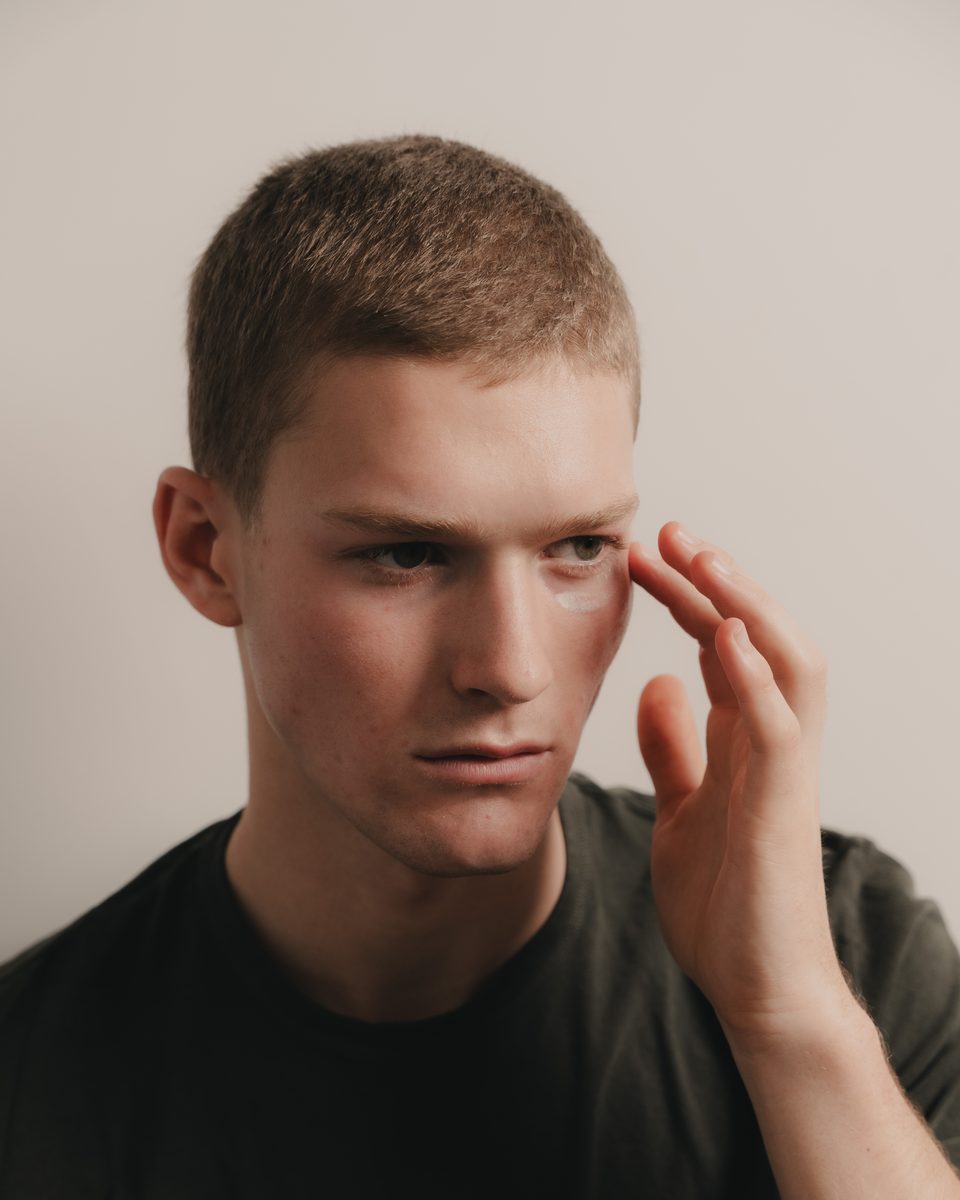
You can feel alert, capable and ready for the day, then catch your reflection and see a different message.
The face does not need to look exhausted for other people to read tiredness. They make the judgement from a combination of small visual cues: the openness of the eyes, shadow beneath them, swelling, fine lines, skin colour and the way the surface catches light.
Understanding those cues matters because they do not all come from the same place, and they do not all change at the same speed.
Tiredness is a collection of signals
Researchers at Karolinska Institutet photographed people after normal sleep and after sleep deprivation, then asked observers what they saw. Sleep-deprived faces were judged to have more hanging eyelids, redder and more swollen eyes, darker under-eye circles, paler skin and more visible fine lines.
The important point is not that every short night produces every change. It is that the human eye combines several modest differences into one rapid conclusion: this person looks tired.
Later work found that periorbital darkness, less open eyes, changes in mouth curvature and skin colour all predicted higher fatigue ratings. The judgement begins before anyone consciously lists the individual features.
Why the eye area speaks first
The skin around the eyes is among the thinnest on the face. Changes in blood vessels, pigmentation, hydration and the structure beneath it are therefore easier to see.
Dark circles themselves have several possible contributors:
- Melanin within the skin
- Blood vessels visible beneath thin skin
- Fluid and swelling
- The shadow cast by the tear trough or an eye bag
- Surface dryness and fine lines that scatter light
That is why one man notices pigmentation while another notices puffiness, and a third mainly sees shadow. “Dark circles” is a useful description of the result, but not a single biological cause.
The illustration below keeps the person, angle and skin tone consistent so that the difference made by these signals is easier to see.
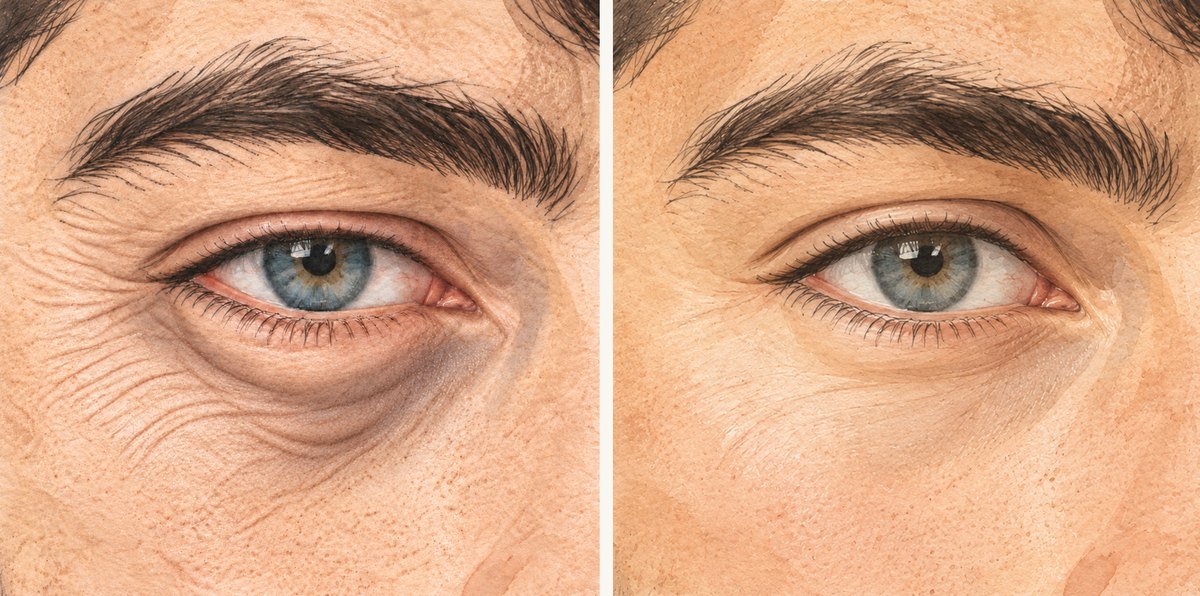
Illustrative comparison of the same eye area.
Hydration changes how the whole face catches light
Water in the outer skin affects more than comfort. A well-hydrated surface is smoother and reflects light more evenly. When it is short of water, fine creases and rough edges become more visible and hold more shadow.
In a controlled study of moderate sleep restriction, two nights of restricted sleep were associated with lower hydration, increased transepidermal water loss and reduced facial brightness and saturation. Separate research following six nights of restricted sleep found reductions in hydration alongside changes in gloss, transparency, elasticity and wrinkles.
This helps explain why a face can look depleted after a hard week even without one dramatic new line. Several qualities have shifted slightly in the same direction.
Dullness is partly a problem of reflection
When men say their skin looks dull, they often mean that it no longer reflects light cleanly. Uneven texture, dehydration and accumulated surface cells break up that reflection.
The result can be read as tiredness because healthy-looking skin normally carries a subtle, even luminosity. This is different from visible oil. Excess oil creates concentrated shine, particularly through the forehead and nose. Well-conditioned skin reflects light more evenly across the face.
The aim is therefore neither a glossy face nor a completely matte one. It is a controlled, natural finish over a smoother, better-hydrated surface.
What can change from the first application
Some of the signals are surface-level and can move quickly.
Hydrating ingredients such as hyaluronic acid and glycerin bind water, helping dehydration lines look softer and the surface appear smoother. A carefully calibrated mineral system around the eyes can alter how light leaves the skin, reducing the appearance of shadow from the first use.
These are meaningful changes because they improve the message the face sends immediately. They are also the beginning rather than the whole result.
What builds through consistent use
Barrier strength, oil control, pigmentation, puffiness, fine lines and skin structure work on different timelines.
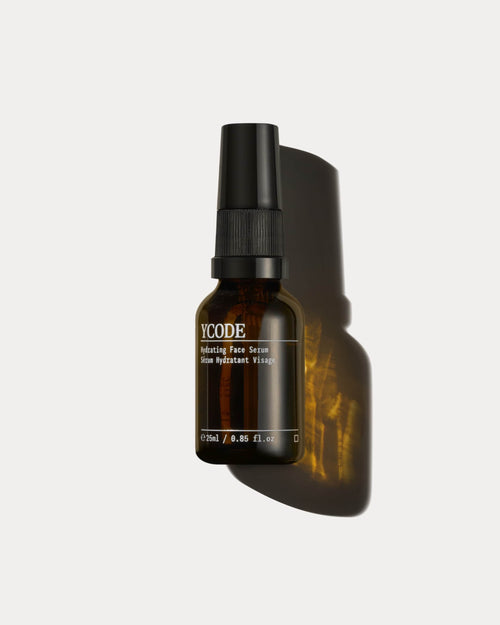
YCODE’s Hydrating Face Serum supports hydration, texture, tone, excess oil and the barrier across the face. In its four-week finished-product study, 98% said their skin appeared rehydrated, 96% said it looked smoother and 94% said dullness was reduced and their skin looked energised.
Advanced Eye Serum concentrates separate systems around the eye area. In testing of the wild ginger active, 86% reported looking less tired after 15 minutes, rising to 94% after 15 days. Reported reductions in dark circles rose from 73% to 90% over the same period.
The figures describe different parts of the same visible goal: eyes that look more rested and skin that looks fresher, smoother and better supplied with water.
How to judge your own face
Use the same mirror, daylight and distance. Look for the pattern rather than one isolated line:
- Is there less shadow beneath the eyes?
- Does swelling settle more quickly?
- Do dehydration lines look softer?
- Does the forehead and cheek reflect light more evenly?
- Does your skin look less depleted late in the day?
A photograph is useful because gradual change quickly becomes familiar. Your memory updates with your face. The photograph preserves the point from which it began.
The routine that covers the whole message
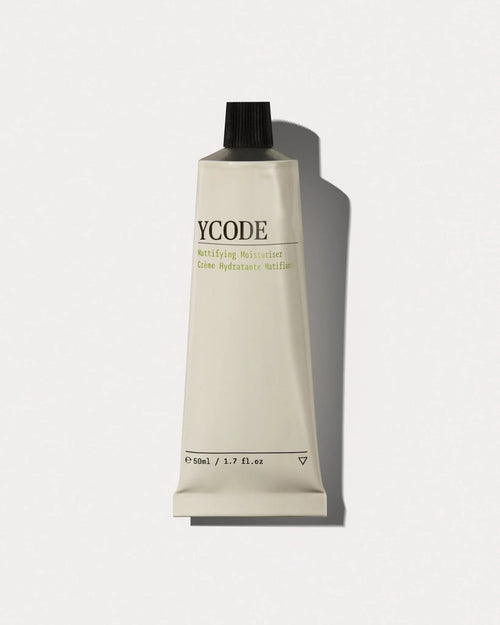
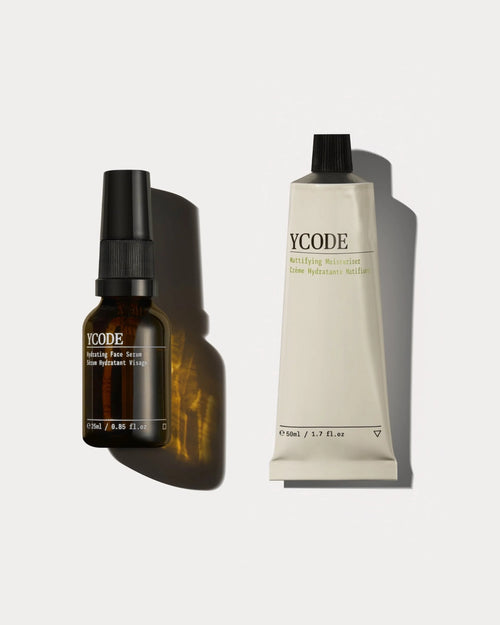
Advanced Eye Serum targets the thinner skin around the eyes. Hydrating Face Serum supplies water-light hydration and active support across the face and neck. Mattifying Moisturiser helps retain hydration, supports the barrier and controls visible shine.
Together, they address the principal signals that make a man look tired: shadow and puffiness around the eyes, dehydration, dullness, uneven texture and an uncontrolled surface finish.
The routine takes less than two minutes, morning and night. Its value is visible for considerably longer.
Here is to two minutes well spent.
Freddie Sheridan
FOUNDER
Frequently asked questions
Why do I look tired even when I feel fine?
Other people read tiredness from a combination of eye openness, under-eye shadow, puffiness, fine lines, skin colour, hydration and texture. A few small changes can create a stronger overall impression.
Why does tiredness show around the eyes first?
The skin is particularly thin, so pigmentation, blood vessels, fluid, fine lines and the structure beneath it are more visible.
Can hydration make me look less tired?
Hydration can soften dehydration lines and help the surface reflect light more evenly. It will not address every cause of tiredness, but it can materially improve the freshness and smoothness of the face.
How quickly can the eye area look different?
Hydration and optical correction can alter the appearance from the first application. Changes in puffiness, pigmentation, fine lines and structure build over longer periods.
Does a completely matte face look fresher?
A healthy-looking face retains a subtle, even reflection. The aim is to control concentrated excess shine while preserving the natural light that makes skin look alive.
References
- Sundelin T, Lekander M, Kecklund G, et al. Cues of fatigue: effects of sleep deprivation on facial appearance. Sleep. 2013;36(9):1355–1360. doi:10.5665/sleep.2964.
- Holding BC, Sundelin T, Cairns P, Perrett DI, Axelsson J. The effect of sleep deprivation on objective and subjective measures of facial appearance. Journal of Sleep Research. 2019;28(6):e12860. doi:10.1111/jsr.12860.
- Léger D, Gauriau C, Etzi C, et al. “You look sleepy…” The impact of sleep restriction on skin parameters and facial appearance of 24 women. Sleep Medicine. 2022;89:97–103. doi:10.1016/j.sleep.2021.11.011.
- YCODE Hydrating Face Serum independent consumer self-assessment, ADSL 2025-0056. Fifty men aged 18 to 50, morning and evening for four weeks.
- Wild ginger active consumer self-assessment and instrumental imaging dossier used in YCODE Advanced Eye Serum.

I started YCODE because most skincare was never designed for men’s skin. What I write here is what the formulators taught me, and what the trials actually found.
Continue reading
VIEW ALL →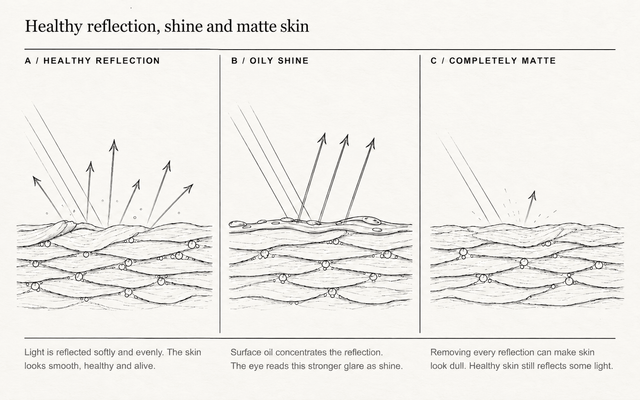
Healthy-looking skin is shaped by hydration, surface texture, oil, tone and the eye area....

One of the first things you notice about a product is its colour. Long...

When you stand beside the sea, it is usually the scale that gets your...


