

Why You Look Tired Even When You're Not (and What Actually Helps)
Someone asks if you had a rough night, and you slept fine. What actually makes a man's face read as tired, and what genuinely helps.
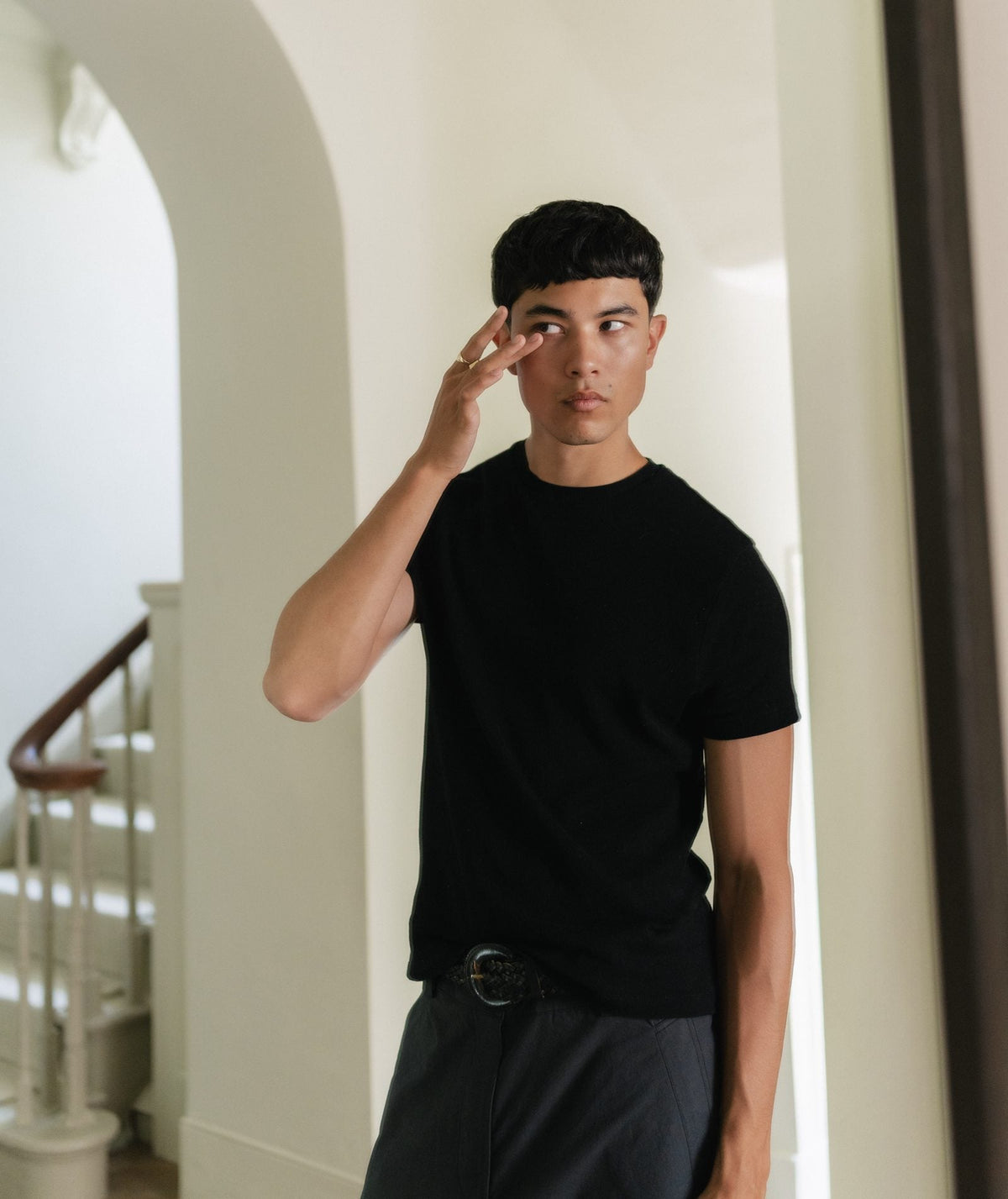
Someone asks if you had a late night, and you slept eight hours. It is one of the more quietly annoying things a face can do: read as tired when you are not. Looking tired is not a feeling, it is a judgement other people make in a second or two, from a small set of visible signals. Most of those signals sit on the surface of the skin and around the eyes, and that is the useful part, because the surface is the part you can actually change.
Researchers have measured exactly which signals do it. In one controlled study, the same people were photographed after normal sleep and after a broken night, and a panel of observers reliably picked out the tired version from the eyes, the skin and the mouth alone.1 The look is a cluster, not one flaw, which is why no single trick settles it, and why a man can tick every lifestyle box and still catch a tired face in the mirror.
What Makes a Face Look Tired?
When observers were asked to judge tiredness, the differences that gave it away were specific and consistent: more hanging eyelids, redder and more swollen eyes, darker circles under the eyes, paler skin, more fine lines, and droopier corners of the mouth.1 Notice how many of those are skin-surface and eye-area signals rather than anything structural. That is the reason a tired look can appear overnight and, just as usefully, ease within a similar timeframe. It is a read on the state of your skin, not a fixed feature of your face.
Why Do the Eyes Give It Away First?
The skin beneath the eye is the thinnest on the face, with few oil glands and little underneath to support it, and it is faintly translucent, so the small vessels below read as a bluish shadow on the surface.3 Add a little fluid overnight and mild swelling, and the eye is the first place fatigue, dehydration and a poor night become visible. This holds even though male skin is otherwise built for durability: across the face it runs around 20 to 25 per cent thicker than female skin, with a denser collagen structure and more oil.4 That thickness helps everywhere except the one place it is thinnest, which is exactly where the tired read starts.
- Under-eye shadow Thin skin over visible vessels, deepened by a short night or low hydration. The most reliable single cue of a tired face.
- A dull, flat surface Dehydrated or rough skin scatters light instead of reflecting it, so the whole face reads paler and less awake.
- Puffiness Fluid gathering around the eye, at its worst first thing and easing through the day. Covered in more depth in why your eyes look puffy in the morning.
Why Do I Look Tired Even When I Am Not?
Because most of the signals are about the state of your skin, not the hours you slept. A broken night certainly does it: in the same body of research, people were rated as less healthy and more tired-looking after sleep deprivation than after normal rest.2 But the reverse is not guaranteed. You can sleep well and still look tired if your skin is dehydrated and dull, if the under-eye skin is thin and shadowed, or if there is an inherited pigment or structural element around the eye that has nothing to do with rest at all. That is the frustrating gap between how you feel and how you read, and it is the gap skincare is actually built to close.
Looking tired is a surface read. Most of what creates it lives on the skin, and most of that you can change.
What Actually Helps, and How Quickly?
The lifestyle basics genuinely move the needle: sleep, water and a little less salt all soften the cues that observers respond to.1 They will not, on their own, change thin under-eye skin or fixed pigment, which is where a considered routine does the rest of the work. Well-hydrated skin reflects light more evenly, so the surface stops reading as flat and washed out, and the fine skin around the eye is where a dedicated step earns its place fastest.
A dedicated eye serum works on two clocks at once. Light-reflecting minerals lift the look of shadow on contact, while wild ginger and marine actives do the slower structural work over the following weeks. In an ingredient study of the serum's wild-ginger active by Eurofins Dermscan, on a panel of 111 volunteers, 86 per cent felt they looked less tired when measured at 15 minutes, rising to 94 per cent at 15 days, and 73 per cent saw the look of dark circles reduced at 15 minutes, rising to 90 per cent at 15 days. These are ingredient-study figures for the active in testing, not a YCODE consumer trial. Alongside it, keeping the rest of the face properly hydrated is what stops the surface reading dull in the first place, which is the whole-face half of the same job. If you want the fuller picture of what the under-eye area is telling you, read dark circles, puffiness and fine lines: what your under-eyes are telling you. Expect the optical lift early, with the deeper change building across the first month of steady use, morning and night.
Why do I look tired even after a full night's sleep?
Can skincare really make me look less tired?
Is looking tired just dark circles?
Does a tired-looking face mean I am ageing?
- Sundelin T, et al. Cues of Fatigue: Effects of Sleep Deprivation on Facial Appearance. Sleep, 2013. PubMed 23997369
- Axelsson J, et al. Beauty sleep: experimental study on the perceived health and attractiveness of sleep deprived people. BMJ, 2010. PubMed 21156746
- Roh MR, Chung KY. Infraorbital dark circles: definition, causes, and treatment options. Dermatologic Surgery, 2009. PubMed 19469797
- Rahrovan S, et al. Male versus female skin: What dermatologists and cosmeticians should know. International Journal of Women's Dermatology, 2018. PubMed 30175213

I started YCODE because most skincare was never designed for men’s skin. What I write here is what the formulators taught me, and what the trials actually found.
Continue reading
VIEW ALL →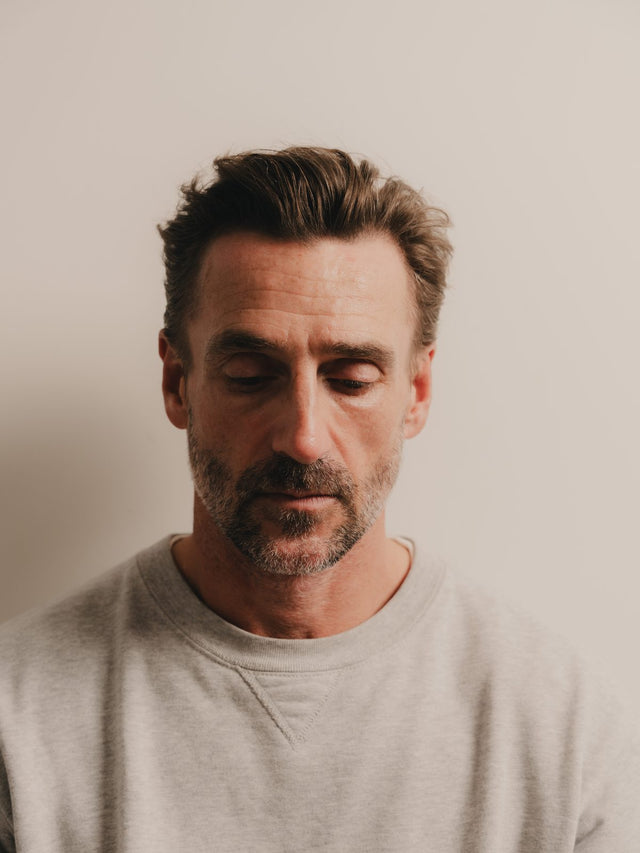
Stress and poor sleep have a way of becoming visible. The eyes look heavier....
Your skin can notice the change of season before you reach for a coat....
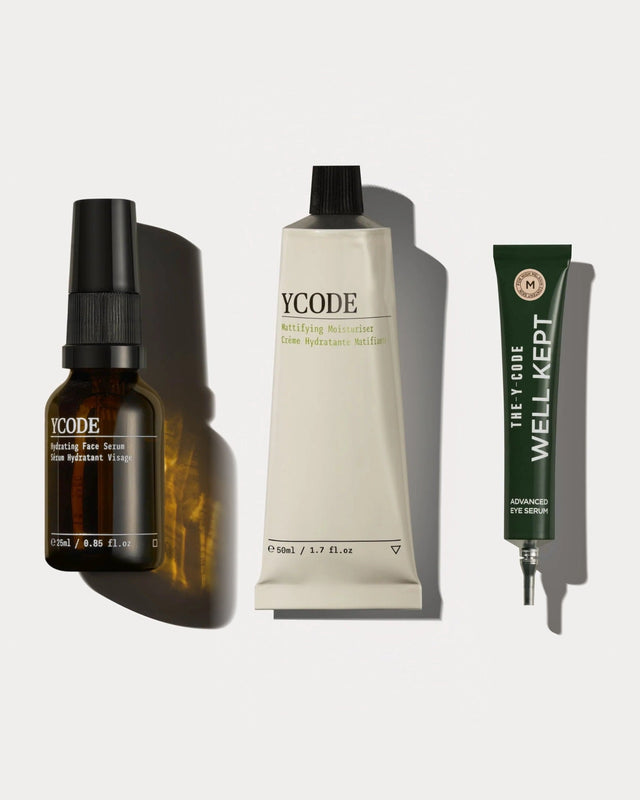
Three formulas focus on the major concerns men tend to see across the face...